TonicNest may earn a commission if you buy through links on this page, at no extra cost to you. That does not change what we report.
Part of our Pineal Guardian X overview. Last checked October 27, 2026.
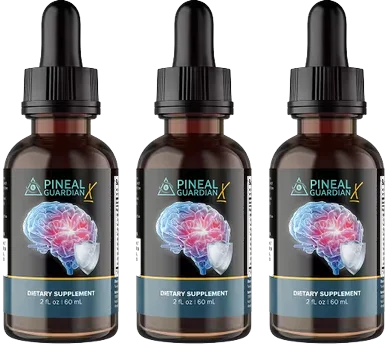
Pineal Guardian side effects have never been studied in the finished product, and its own label states, "The safety of this product has not been determined"[1]. The FDA adverse event database (CAERS) held no reports naming it when we checked on October 27, 2026. The known risks come from its 9 ingredients, led by ginkgo, which NCCIH says may raise bleeding risk with anticoagulants such as warfarin[2].
Is Pineal Guardian X safe? Safety at a glance
Nobody can say it is safe, because the maker has not established its safety and the doses are hidden. The biggest caution is ginkgo for anyone on blood thinners or facing surgery, followed by the two algae for people with autoimmune disease.
Each 2 ml serving holds one 800 mg proprietary blend with no individual amounts[1]. That means you cannot compare your intake with the doses that were safe in trials. Most of the ingredients, such as lion's mane, moringa and tamarind, are also eaten as food.
No FDA recall naming the product turned up in openFDA records. FDA warning letters were NOT checked, because the search page blocked our request. The label says to keep the bottle out of the reach of children under 12.
What side effects are possible?
Stomach and bowel upset is the most likely side effect, based on the ingredient trials. Allergy, autoimmune flares and bleeding problems are less common but more serious.
Digestive
Bacopa trials reported more frequent stools, stomach cramps and nausea[3], plus digestive complaints and headache more often than placebo[4]. NCCIH lists stomach upset, dizziness and headache for ginkgo[2].
Sensitivity
Lion's mane is a mushroom, so a mushroom allergy is possible[5]. Chlorella and spirulina are immune-stimulating algae linked in case reports to the onset or flare of lupus, dermatomyositis and blistering skin diseases[6]. One case report links spirulina with liver injury[7].
Medication-related
Ginkgo may raise bleeding risk with anticoagulants, and caution applies with antiplatelet drugs and before surgery[2]. Several other ingredients could add to diabetes or blood pressure medicines, covered below.
Which ingredients deserve extra attention?
Ginkgo, chlorella, spirulina and neem have the clearest safety flags among the 9 ingredients. The table lists each one with the issue our sources record and why it matters for a blend with hidden amounts.
| Ingredient | Safety issue | Why it matters |
|---|---|---|
| Ginkgo leaf | May raise bleeding risk with anticoagulants; may be unsafe in pregnancy[2] | Amount in the blend unknown |
| Chlorella | Autoimmune flares in case reports[6]; contains vitamin K | Matters with immunosuppressants and warfarin |
| Spirulina | Autoimmune flares[6]; one liver injury case report[7] | Matters with autoimmune disease |
| Neem leaf | Neem leaf poisoning reported[8]; neem oil by mouth caused seizures in a child[9] | Keep the bottle away from children |
| Bacopa | Stomach upset, loose stools, nausea[3] | Most common trial complaint |
| Moringa leaf | Listed among plants to avoid in pregnancy[10]; lowered blood sugar in a trial[11] | Matters with diabetes medicines |
| Maritime pine bark | No liver injury linked to it[12]; theoretical antiplatelet activity | Precaution with blood thinners |
| Lion's mane | No adverse effects in small trials; long-term and pregnancy safety not studied[5] | Little safety data |
| Tamarind | Lowered systolic blood pressure by 7.4 mmHg in one trial[13] | May add to blood pressure medicines |
Which medicines could interact?
Show a pharmacist the label before combining Pineal Guardian X with any regular medicine. Our sources point to these groups to check, most of them through ginkgo and the two algae:
- Blood thinners and antiplatelets, such as warfarin: ginkgo may raise bleeding risk[2]; pine bark and lion's mane carry theoretical risks; chlorella's vitamin K matters for warfarin users
- Immunosuppressants: chlorella and spirulina stimulate the immune system[6]
- Diabetes medicines: moringa lowered fasting glucose and HbA1c[11]; lion's mane has a theoretical additive effect
- Blood pressure medicines: tamarind's blood pressure effect may add to them[13]
- Psychiatric or thyroid medicines: bacopa has no interaction data, so ask a clinician first[4]
- HIV antiretrovirals: moringa interactions are still under study
Tell your surgeon or dentist you take it before any planned procedure, since NCCIH flags ginkgo before surgery. Doses and timing are in our guide on how to take Pineal Guardian X.
Pregnancy, breastfeeding and who should ask a doctor first
Pregnant women should not use Pineal Guardian X without a doctor's approval, because two ingredients carry pregnancy warnings. Our sources hold no breastfeeding data for this blend. Ask a doctor first if you:
- Are pregnant or trying to become pregnant: ginkgo may be unsafe in pregnancy[2], and moringa is listed among plants to avoid[10]
- Are breastfeeding
- Take a blood thinner or have a bleeding disorder
- Have surgery or dental work coming up
- Have lupus or another autoimmune disease
- Take diabetes, blood pressure, psychiatric or thyroid medicine
- Have memory changes that a doctor has not yet assessed
The label sets no lower age; it only says to keep the bottle out of the reach of children under 12.
Which symptoms need a doctor right away?
Stop taking Pineal Guardian X and get medical help quickly if a serious reaction appears. See a doctor right away, or call 911, if you notice:
- Swelling of the face, lips or throat, hives, or trouble breathing
- Unusual bleeding or bruising, blood in urine, or black stools
- A seizure, or a child who swallowed the liquid
- Yellow skin or eyes, or dark urine
- A sudden flare of rash, joint pain or muscle weakness if you have autoimmune disease
- Vomiting or diarrhea that does not stop
Bring the bottle so the doctor can read the label.
Safety conclusion
Pineal Guardian X has no product safety data, and its label says its safety has not been determined. The hidden amounts make it impossible to compare your intake with the doses that were safe in trials.
If you choose to try it, show the label to a pharmacist first, especially if you take a blood thinner or have autoimmune disease. Read the full Pineal Guardian X ingredients list and our look at whether Pineal Guardian X works before you order.
Back to the Pineal Guardian X overview.
Frequently asked questions
Does Pineal Guardian X have side effects?
It may. The product itself has never been studied, and its label says its safety has not been determined. Ingredient trials point to stomach upset, nausea and headache, and ginkgo may raise bleeding risk with blood thinners.
Can I take Pineal Guardian X with blood thinners?
Ask your doctor or pharmacist first. NCCIH says ginkgo may raise bleeding risk with anticoagulants such as warfarin, and chlorella contains vitamin K. The label hides how much of either is in each serving.
Is Pineal Guardian X safe for seniors?
Its safety has not been established for any age group. Older adults often take blood thinners, diabetes or blood pressure medicines, which some ingredients may affect. Show the label to a pharmacist before starting it.
Can Pineal Guardian X cause headaches?
It is possible. Bacopa trials reported headache more often than placebo, and NCCIH lists headache among ginkgo's side effects. Stop taking it and see a doctor if headaches are severe or come with confusion.
Are there any FDA reports about Pineal Guardian X?
When we checked on October 27, 2026, the FDA adverse event database held no reports naming the product and openFDA showed no recall. FDA warning letters were not checked because the search page blocked our request.
Sources
- Pineal Guardian Supplement Facts label. thepinealguardian.com, read October 27, 2026.
- Ginkgo. National Center for Complementary and Integrative Health (NCCIH), NIH, read October 19, 2026.
- BacoMind 300 mg a day in adults aged 55 and over, 12-week trial (PMID 20590480). PubMed, National Library of Medicine, read October 20, 2026.
- Bacopa extract 300 mg in adults aged 40 to 70 with memory complaints, 12-week trial (PMID 41091332). PubMed, National Library of Medicine, read October 20, 2026.
- Lion's mane (Hericium erinaceus) in mild cognitive impairment, 16-week trial (PMID 18844328). PubMed, National Library of Medicine, read October 19, 2026.
- Immunostimulatory algae and autoimmune disease flares, case reports (PMID 32553683). PubMed, National Library of Medicine, read October 20, 2026.
- Spirulina-associated hepatotoxicity, case report (PMID 12492223). PubMed, National Library of Medicine, read October 20, 2026.
- Neem leaf poisoning, case report (PMID 3837008). PubMed, National Library of Medicine, read October 20, 2026.
- Neem oil ingestion and refractory seizures in a child (PMID 18250509). PubMed, National Library of Medicine, read October 20, 2026.
- Plants to avoid in pregnancy (PMID 33164294). PubMed, National Library of Medicine, read October 20, 2026.
- Moringa leaf powder 2,400 mg a day in prediabetes, 12-week trial (PMID 35010932). PubMed, National Library of Medicine, read October 20, 2026.
- LiverTox: Pine Bark. NCBI Bookshelf, NIH, read October 19, 2026.
- Tamarind pulp juice dose-response trial in people with HIV and high triglycerides (PMID 40264275). PubMed, National Library of Medicine, read October 20, 2026.
This page is general information, not medical advice. Dietary supplements are not reviewed by the FDA for safety or effectiveness before they are sold and are not intended to diagnose, treat, cure or prevent any disease. Talk to your doctor before taking any supplement, especially if you are pregnant, nursing, take medication or have a health condition.